Get ROI on Your Business Book – The Rational Approach
You’re thinking about writing a business book or hiring a ghostwriter, but you need some straight talk on ROI. This blog’s for you.
Founders, executives, and other business leaders are apt to approach publishing as they would any other business endeavor. They're looking for results.
But here’s what’s hard for most new authors to understand: The book itself is not the whole business outcome. It is the vehicle that delivers the outcome.
The outcome is your message delivered in its most authoritative, defensible form. More specifically, it’s your message delivered to those who matter most to your business: your prospects, your customers, the influencers in your industry, and the people who book you for podcasts, media interviews, keynote speeches, panels, and events.
Most of my clients begin the publishing conversation hoping their ROI will show up in book sales. Naturally, they believe strongly in their ideas, hence their desire to share them with the world. They need only someone like me to help them translate their ideas onto the page and bam! We’ll have a bestseller, a sure thing.
The Hard Reality of Book Sales
In one analysis of Circana BookScan data, only 0.4 percent of 45,571 frontlist ISBNs from top publishers sold 100,000 copies or more over the measured 52-week period. Moreover, this statistic comes from titles released by traditional publishers such as Penguin Random House, Simon & Schuster, and HarperCollins, major publishing houses with the means to assess market demand and deploy sophisticated marketing resources to promote their titles.
Despite the long odds of reaching the bestseller list, why do so many founders/execs/leaders still choose to publish? Is it due to the remarkable salesmanship of ghostwriters, agents, and producers like me, peddling la-la-land dreams of fat royalty checks and a seat on Oprah’s couch?
I’d suggest the opposite. Book people are not always great salespeople. But when it comes to authority-building business books, we can, in fact, make a real dollars-and-cents case for ROI. It’s a case that doesn’t hinge on book sales, but it’s nevertheless tangible, simple. You can get your head around it with a little effort. Let’s do that, shall we?
Authority: The Real ROI
In business ghostwriting circles, the term “authority” is thrown around a lot. There are entire products, service packages, and even entire ghostwriting businesses built around this idea that publishing your book is your path to gaining “authority.” And on this side of the divide, we all just sort of blindly assume that you, the prospective author, know why “authority” matters. But my guess is you don’t, at least not in terms that you can take to the bank.
When your ghostwriter talks about your book establishing you as the “authority” in your space, they’re not talking about creating a mass-market title that will turn you into the next Cal Newport or Malcolm Gladwell. In fact, in most cases the book should not be written for mass consumption. The book you want to write is more niched and carefully targeted. It will grab readers’ attention and emotional investment, just as if it were penned by Napoleon Hill himself, but this book is custom-made to integrate powerfully with your specific larger business ambitions. Your ghostwriter should tailor the work to the concrete, measurable goals that you want your book to achieve on your behalf.
And what do these goals look like?
Well, rather than expect your book to be on a center display at Barnes & Noble, try envisioning your book being sold to or otherwise acquired and read by your potential customers, investors, and business partners. Think of your business book not as your letter to the world, but as your letter to valued clients, customers, and communities.
Please don’t confuse this for thinking small. As you’ll see in the micro case studies that follow, it’s not impossible for an authority-building business author to sell a ton of books. It’s just better strategy to publish with a clear sense for how to play in a market where options are nearly infinite and consumers are in short supply. If you want to catch fire, first gather your kindling.
For consultants, the ROI on your book may come from simply getting it into the hands of qualified prospects. For coaches and public speakers, it may come from commanding higher speaking fees or increasing workshop ticket prices. For entrepreneurs, it may come from placing the book in the hands of the right investor, partner, or strategic advisor.
Your book is a self-vetting business card. It gives those who are curious about you a way to get to know you and your ideas in depth. It builds trust with customers and investors as they take a close look at the conviction behind your ideas. They’ll recognize that you’re not a short-term thinker but a real builder and visionary, someone with high expectations for yourself, your business, and the people you serve.
Note that the key difference between your book and the self-help/business blockbuster that sits atop a Barnes and Noble table display is that your book is specifically positioned to support your larger career. You’re not likely a writer by trade but are in possession of some other extraordinary talent. The book’s job is to strategically amplify all that makes you you.
Once you’ve set clear, actionable goals for building authority with your book, you may then consider how to drive sales. The nice thing is that authority and sales work in conjunction. In most cases, authority drives sales, though sometimes sales can strengthen authority as well (as you’ll see in the “Ted Snow” case study below). A well-executed book production, launch, and promotion looks something like this: You collaborate with a strong ghostwriter on a book. It’s well-crafted, well-positioned. People like reading it. It helps advance your career and your larger business goals. As you build your business and your platform, sales of the book naturally increase.
Book sales are the lagging indicator of your success, not the leading indicator.
Four Micro Case Studies in Authority-Building Business Books
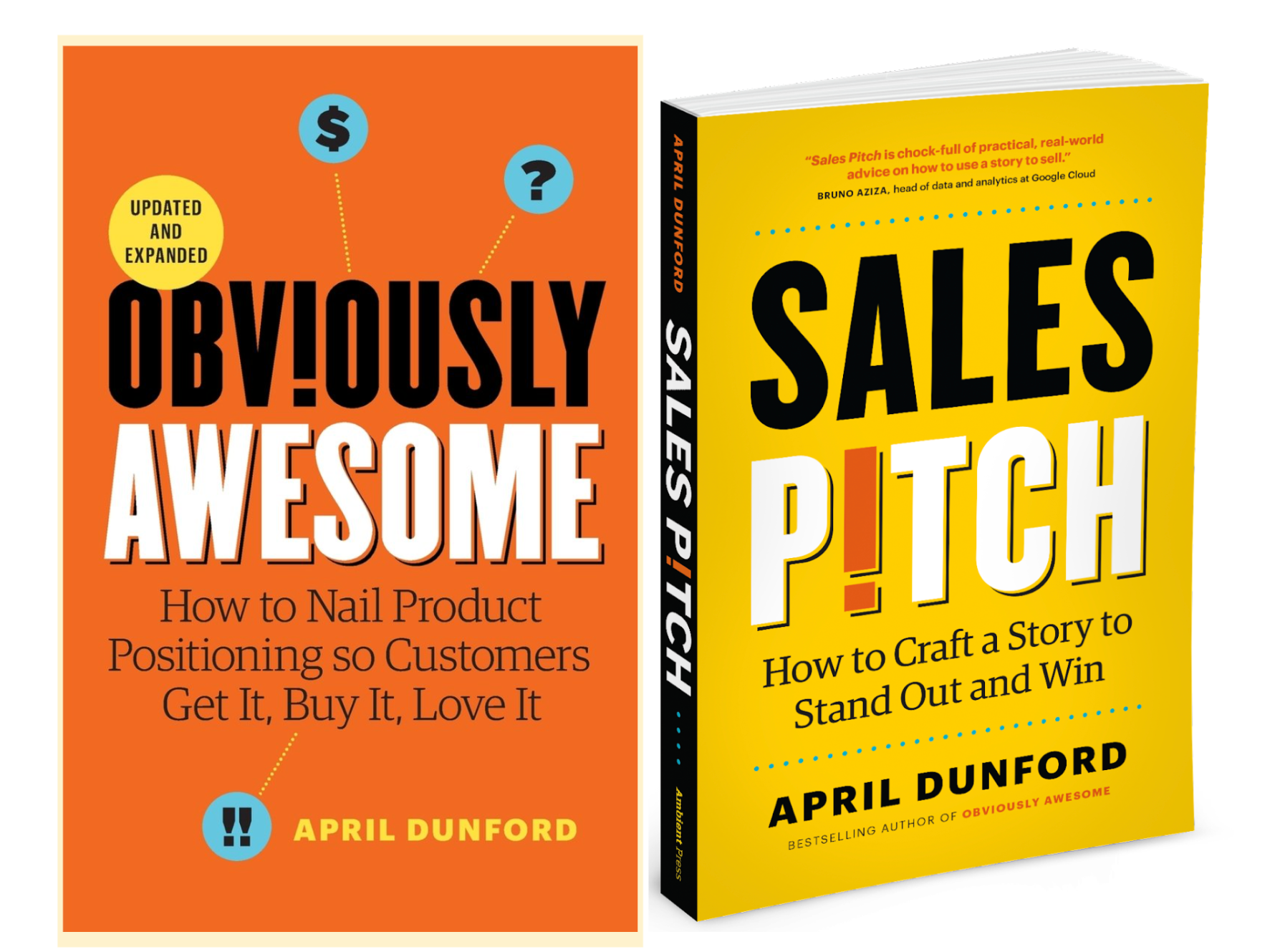
“The bulk of my work is with growth-stage startups and larger technology companies” writes consultant and author, April Dunford. After leading the sales, marketing, and product teams at several startup companies, Dunford carved out a role for herself as a positioning and sales expert. Her first book, Obviously Awesome (2019), was a distillation of her ideas on market positioning. Her second book, Sales Pitch (2023), offered a step-by-step method for pitching products and services that are aligned with one’s larger strategic positioning.
It didn’t happen overnight, but her first book, Obviously Awesome, eventually became a bestseller and was recently revised and reissued in 2026.
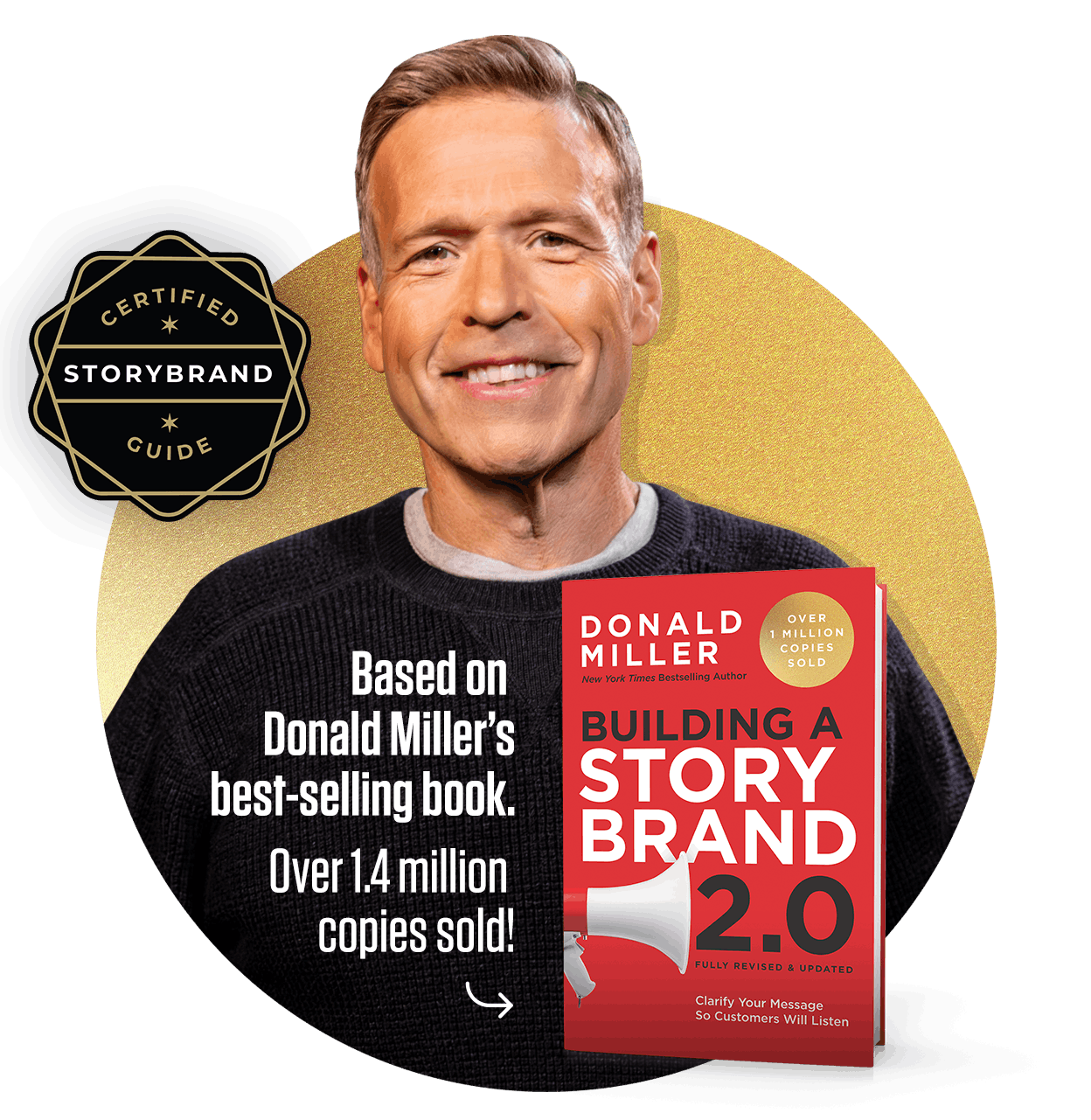
Donald Miller is another author-consultant whose book sales appears to have grown alongside the larger success of his coaching and certification business. Miller made his book, Building a Story Brand / Building a Story Brand 2.0, the centerpiece of his coaching business. It was this skillful positioning that set the stage for the book to sell like wildfire.
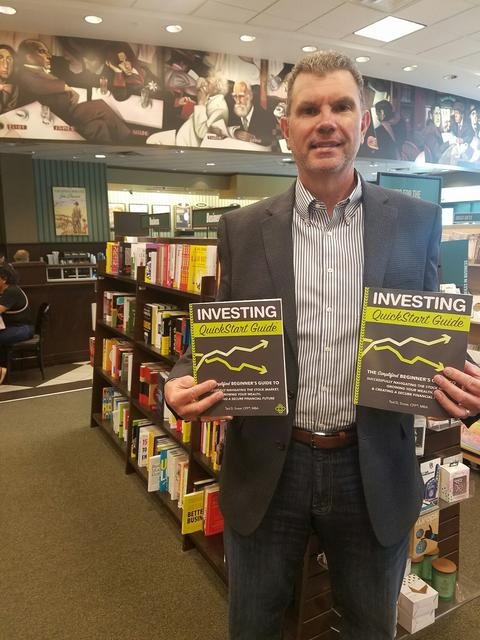
One of my own former clients, Ted Snow, managed to catch lightning in a bottle with his Investing QuickStart Guide. The book is a comprehensive do-it-yourself personal financial management handbook authored by Mr. Snow, a Certified Financial Planner (i.e. someone who’d ordinarily prefer that you hire him rather than buy a book and “do-it-yourself”). But the book was good—good enough to be recognized in 2023 by U.S. News & World Report as one of the “11 Best Investing Books for Beginners,” positioned alongside the likes of Charlie Munger and Benjamin Graham. Snow’s was a rare case where he was fortunate enough to have the right book at seemingly the right time. In this case, bestselling status preceded, rather than followed, his integration of the book into his business marketing and practice. Now he proudly showcases the title on the home page of his financial advisory practice.
A few notes on the curious case of Ted Snow:
1) Precisely speaking, Investing QuickStart Guide didn’t begin as an “authority-building business book” but as a work of prescriptive nonfiction. When the title grew legs it began to function as an authority builder.
2) The commercial success of “Investing QuickStart Guide” resulted in a limited run at select Barnes & Noble bookstores.
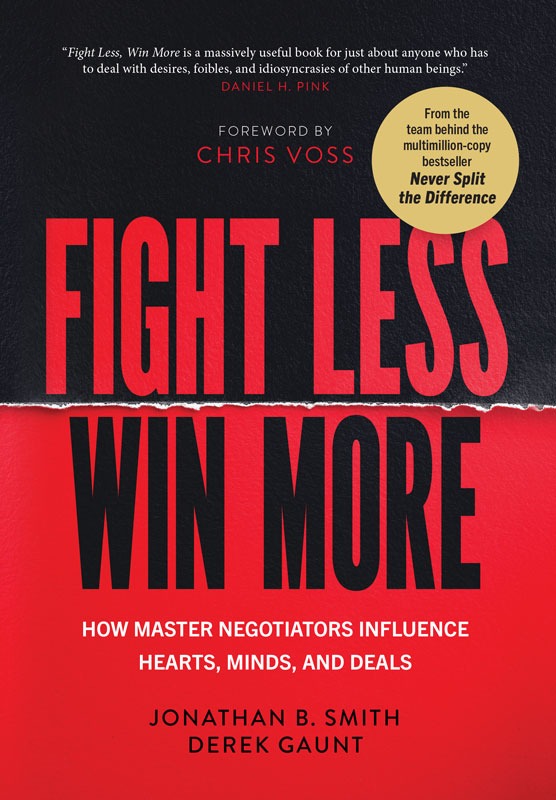
It’s important to note that Miller, Dunford, and Snow are by any reasonable measure, outliers. Countless books, wonderful books, are published each year by renowned professionals, leaders, and visionaries, and they barely make a dent in the marketplace. Take for instance the most recent publishing endeavor to come out of the renowned Black Swan Group. Years back, former FBI hostage negotiator and Black Swan Group founder, Chris Voss, wrote Never Split the Difference, which was published in 2016 to much critical and commercial acclaim. Ten years later, two Black Swan Group associates, Jonathan B. Smith and Derek Gaunt, co-authored Fight Less, Win More. Voss wrote the foreword. Like Voss’ own book, Fight Less, Win More is themed on the intricacies of business negotiation strategy and tactics. Unlike Voss’ book, however, the book has yet to take off, and it may never approach sales figures achieved by Voss’s earlier book (most business books don’t). Still, the book stands as a clear and authoritative statement on the topic of negotiation, and for all we know, is doing meaningful work for its authors and the Black Swan Group.
The Art of Upping Your Game: ROI in the Abstract
In addition to concrete monetary gain, there’s a more loosely defined layer of ROI to be found in the book production process itself. The actual hands-on development of your book; it has real value, especially when done in collaboration with a strong ghostwriter and a capable editorial and marketing team. As I told a prospective client recently, the time spent reviewing, refining, and putting ideas down into sentences, pages, and chapters is exactly the type of brain-training needed to prepare for those next-level opportunities that the book will help unlock.
Do you have to have a book to be taken seriously? No. But when it comes to building authority, I really can’t think of a better soup-to-nuts process or tool. Again, quality is key here. You do yourself a disservice by throwing a book together with an AI tool or a lackluster collaborator.
If you’re interested in a high-quality collaboration with experts in book craft and strategic positioning, call or schedule a conversation at OneTrueLine.co/contact.
We’ll help you identify the most relevant audiences for your book. From there, we’ll create a business book that’s true to your message, relevant to your readers, and supported by a world-class team of creatives and publishing professionals.

Latest Blogs

Stay In The Know
Thoughts on writing, voice and ideas worth keeping.